How Risky Is Online Gambling? Key Dangers Explained

How Risky Is Online Gambling?
Online gambling can be risky—sometimes more risky than gambling in a physical casino or betting shop. It is legal and regulated in many places, but its convenience, speed, and constant availability can make it easier to lose money, chase losses, and develop harmful gambling habits. Research finds that online gamblers are roughly two to three times more likely than offline gamblers to experience serious gambling problems or related harms.
Why Online Gambling Feels Different
The core danger is not simply that gambling involves chance. It is that online platforms remove many natural “brakes” on impulsive behavior.
- Always available: You can bet at any hour, from home, on a phone, without traveling to a venue.
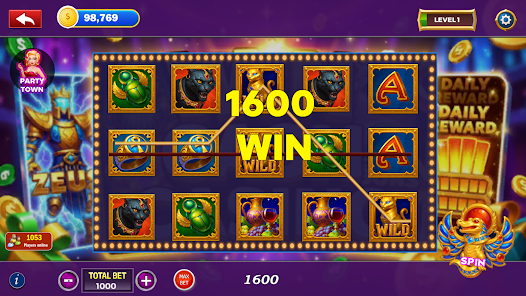
- Fast play: Slots, in-play sports betting, and casino games can produce rapid rounds and near-instant results, encouraging repeated bets.
- Frictionless payments: Card deposits, digital wallets, and saved payment methods make spending feel less tangible than handing over cash.
- Privacy and anonymity: Gambling alone can hide the behavior from family or friends, delaying intervention.
- Personalized marketing: Platforms can use player data to send targeted bonuses, reminders, and promotions designed to bring people back.
These features can make it easy to spend more time and money than intended.
Financial Risk
The most immediate risk is losing money. Gambling outcomes are designed with a house edge, meaning that over time the operator is more likely to profit than the player. Online environments can amplify this because deposits are quick, betting cycles are short, and losses can be followed immediately by another wager.
Loss-chasing—trying to win back money already lost—is a particularly important warning sign. Studies of online gambling’s structural changes found that easier access, faster play, advertising, and new bet types were associated with increased gambling, impulsive betting, persistence, and loss-chasing among higher-risk gamblers.
Mental Health and Relationship Risks
Problem gambling is not only a money issue. It can affect mood, sleep, relationships, work, and physical health. Recent research links online gambling with gambling disorder, depression, anxiety, suicidal thoughts, financial distress, family conflict, and harms to people close to the gambler.
The World Health Organization recognizes gambling as a public-health issue because it can contribute to mental illness, suicide, family violence, poverty, and financial hardship.
Who Is Most Vulnerable?
Anyone can develop a gambling problem, but some groups face elevated risk:
- Young adults and adolescents, whose impulse control and decision-making are still developing.
- People gambling alone, especially for long sessions or on mobile devices.
- People with high spending, frequent play, or high variability in bets.
- People exposed to gambling-like games, such as social casino games, loot boxes, esports betting, and fantasy sports.
- People using offshore or unregulated sites, which may lack consumer protections and create risks around withheld winnings or unauthorized account activity.
Which Online Games Carry More Risk?
Risk varies by product. Fast, high-frequency games tend to be more dangerous than slower, lower-stakes forms of gambling.
| Gambling type | Relative risk pattern |
|---|---|
| Online slots and in-play sports betting | Often higher risk because rounds or betting opportunities occur very quickly. |
| Online casino table games and poker | Commonly viewed as high-risk, particularly live versions. |
| Sports betting | Can be risky, especially with live betting, combination bets, and frequent wagering. |
| Lotteries | Generally lower-risk than casino-style or rapid betting products, though not harmless. |
One study found that online casino gambling had the highest share of participants classified as problem gamblers, while online poker had a high proportion of at-risk participants.
Signs Gambling May Be Becoming a Problem
Seek support if you notice any of the following:
- Betting more money or for longer than planned.
- Borrowing money, selling possessions, or using essential funds to gamble.
- Chasing losses after a bad day.
- Hiding gambling from family or friends.
- Feeling anxious, irritable, or restless when not gambling.
- Gambling to escape stress, sadness, boredom, or loneliness.
- Missing work, school, bill payments, or family responsibilities because of gambling.
How to Reduce the Risk
If you choose to gamble, treat it as paid entertainment—not a way to make money.
- Set a strict loss limit before you start, and stop when you reach it.
- Use a separate gambling budget that never includes rent, food, debt payments, or savings.
- Turn off saved payment methods and avoid credit-based gambling.
- Set time limits and take regular breaks.
- Avoid gambling when upset, tired, intoxicated, or trying to recover losses.
- Use deposit limits, self-exclusion tools, and reality checks offered by licensed operators.
- Avoid offshore or unlicensed sites, which may offer fewer protections.
The Bottom Line
Online gambling is not automatically harmful for every person, but it is inherently risky because it combines chance with convenience, speed, privacy, and persuasive design. The safest approach is to set firm limits, avoid chasing losses, use licensed platforms only, and reach out for help early if gambling starts affecting money, mood, relationships, or daily life.
FireSevens Casino – Games, Account Access & Player Info
This site only collects related articles. Viewing the original, please copy and open the following link:How Risky Is Online Gambling? Key Dangers Explained