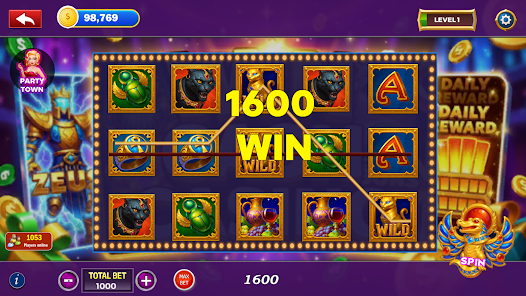
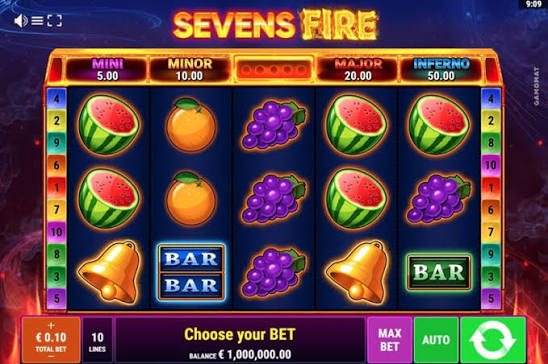
Losing money at a casino can feel overwhelming, especially when the losses add up quickly. For example, a player might start with $200 and lose it within an hour playing slot machines, which often have a return-to-player (RTP) rate of around 85%–96%. Many people then wonder if they can get that money back. In most cases, the answer is no, because gambling is considered a voluntary activity where you accept the risk of losing money in exchange for entertainment.
When you place a bet in a casino, whether online or in person, the transaction is final once the game outcome is decided. For instance, if you bet $50 on blackjack and lose the hand, that money is immediately taken by the house according to the game rules. Casinos operate under strict regulations, and these rules ensure that both wins and losses are binding. This system is similar worldwide, from Las Vegas to Singapore’s Marina Bay Sands, where licensed operators follow clear gaming laws.
However, there are a few rare situations where you might get your money back. For example, if an online slot game crashes during a spin, the casino system may detect the error and refund your bet automatically. Another case is unauthorized access—if someone hacks your account and spends $500 without your permission, you can report it and potentially recover the funds after investigation. Payment errors, such as being charged twice for a $100 deposit, are also commonly corrected once verified.
Some players try to recover losses by requesting a chargeback through their bank or credit card provider. For instance, if someone loses $1,000 in an online casino, they might dispute the transaction claiming it was unauthorized. While this can sometimes work in fraud cases, it often leads to account suspension or permanent bans if the casino proves the bets were placed willingly. In many cases, banks reject these disputes when there is clear evidence of user activity.
It is important to understand that casinos are designed to make a profit over time through what is called the house edge. For example, in roulette, the house edge is about 2.7% on European wheels, meaning for every $100 wagered, the casino expects to keep $2.70 on average. This statistical advantage ensures that most players will lose money over time, even if they win occasionally in the short term.
Because of this, responsible gambling is essential. Many players set limits, such as bringing only $100 to a casino and stopping once it is gone. Online platforms also offer tools like deposit limits or cooling-off periods. For example, a player might set a weekly limit of $200 to avoid overspending. Treating gambling as entertainment rather than a way to earn money helps reduce the risk of financial stress and keeps the experience enjoyable.
firesevens
Best Online Casinos for Real Money: Safe Licensed and Trustworthy Options
WPT Global Million Sunday Hyper PKO Showdown: Event Details & Guide
Legit Online Casinos That Pay Real Money in 2026
パチンコ屋全国1位は沖縄!稼働率77.2%の最強ホールの正体
How to Check If an Online Casino Is Legit: Quick Verification Guide
The Daily Prime Tournaments from WPT Global
Payment Protection: Which Payment Methods Are Safest?
【2026年7月】パチンコ新台13機種完全一覧!7月6日注目機種は必殺仕事人Ⅵ
WPT Global Bonus Terms: Cashing In Made Simple
Online Gambling in the US: What Happens If You Get Caught?
fire sevens casino
Eligible Countries for EVERYGAME Poker: Join the Action with bonus code
Best Online Casinos for Real Money: Safe Licensed and Trustworthy Options
How Risky Is Online Gambling? Key Dangers Explained
Payment Risks and Protection Systems in Online Casinos (USA)
Online Gambling in the US: What Happens If You Get Caught?
WPT Global Casino: A Fun-Filled Adventure
New Rules for WSOP Paradise: Electronic Devices and Real-Time Assistance
Qualify for the WPT Global Main Event via Low Buy-In Satellites
WPT Global Bonus Terms: Cashing In Made Simple
WPT Global Tournament Schedule 2025
fire sevens casino
When and where was the game of roulette first played?
Casino Payment Protection and Regulation in the USA (FAQ)
WPT Global No Deposit Bonus 2025 – Try Real Online Poker Risk-Free
Casino Payment Solutions Explained
How Secure Is Online Gambling? Safety Tips
What is the future of the game of roulette?
What role did roulette play in popular culture such as movies and literature?
Can You Sue a Casino for Not Paying Out?
Is Online Gambling Safe in Canada?
Get Your Money Back from Online Gambling: Practical Refund Guide
firesevens
When and where was the game of roulette first played?
Can You Get Money Back After Losing at Casinos? The Truth Exposed
Payment Risks and Protection Systems in Online Casinos (USA)
What is Hyper Dash in WPT Global?Dive into Quick Thrilling Poker Action!
Is Online Gambling Safe in Canada?
2025年10月激アツ!スロット新台完全攻略
No Deposit Free Spins at WPT Global – Play Without Spending
Can You Sue a Casino for Not Paying Out?
What is TP in WPT poker?
パチスロライターの年収はどれくらい?
FAQ
firesevens casino
Can I Chargeback a Casino? The Shocking Truth About Getting Your Money Back
2026年4月パチンコ新台全10機種一覧!キン肉マン・スライム・リコリス衝撃確率
Most Trusted Online Casino: How to Choose Safely
Are Casinos Obligated to Pay You? Know Your Rights
Is This Online Casino Legit? 8 Safety Checks Before You Deposit
Casino Payment Protection USA FAQ: Secure Gambling Payments Login Safety and Online Casino Rules
WPT Global Tournament Schedule 2025
Can You Sue a Casino for Not Paying Out?
Online Gaming Risks: What Players and Parents Should Know
How Online Casino Payment Security Works in the USA
fire sevens casino
パチスロ歴代トップ機種ランキングの真実と最新動向
Bitstarz no deposit bonus up to 5 BTC and 200 free spins
Casino Payment Solutions Explained
2026年4月パチンコ新台全10機種一覧!キン肉マン・スライム・リコリス衝撃確率
Are Casinos Obligated to Pay You? Know Your Rights
Top Online Poker Tournaments to Watch and Play in 2025
Can You Dispute Casino Transactions? Know Your Rights
Phil Ivey Hosts Festive Meet-Up Game at Wynn Las Vegas This December
7 Apps That Actually Pay Real Money in 2026
Can a Casino Give Your Money Back?
fire sevens casino
Use WPT777 Bonus Code to Claim Your Special Offer at WPT Global
Most Trusted Online Casino: How to Choose Safely
AML in Casinos: How Anti-Money Laundering Works
2025年10月のパチンコ新台まとめ
Is Online Casino Removed from GCash?
Online Gaming Risks: What Players and Parents Should Know
What Is a Casino Chargeback? The Truth About Reversing Gambling Payments
Bitstarz no deposit bonus up to 5 BTC and 200 free spins
Payment Protection: Which Payment Methods Are Safest?
Can You Dispute Casino Transactions? Know Your Rights
fire sevens casino
$20 Casino Method Explained
Are Casinos Obligated to Pay You? Know Your Rights
How Casinos Stop Money Laundering in Real Life
No Deposit Free Spins at WPT Global – Play Without Spending
Safest Online Casinos: License Fairness & Trust
Safest Online Payment Method: Digital Wallets Win Big!
Is Online Casino Risky? What You Need to Know Before You Play
Is This Online Casino Legit? 8 Safety Checks Before You Deposit
What Happens If You Chargeback a Casino? The Shocking Truth
How Online Casino Payment Security Works in the USA
firesevens casino
WPT Global Withdrawal Guide: Cashing Out Made Simple
Are Casinos Federally Protected? Laws Explained
How to Get Money Back From Gambling Sites
2025年最強パチンコ台ランキング!東京喰種がNo.1に輝いた理由
2025 WSOP Explosion! New Formats + Huge Prizes Poker Players Must Not Miss It!
Online Gambling in the US: What Happens If You Get Caught?
How Risky Is Online Gambling? Key Dangers Explained
2025年10月のパチンコ新台まとめ
Will Casinos Refund Your Money? What Players Must Know
How Safe Is Online Payment? 5 Ways to Protect Yourself
firesevens
Are Online Casinos Trustworthy? How to Check
Can a Bank Freeze Your Account for Gambling? A Clear Guide
What were the original rules and betting options for roulette?
Online Payment Security: Essentials for Safe Transactions
A Woman’s Guide to Selecting the Perfect Sex Toy
WPT Global Newest Promo: Ticket to Some Additional Play Money
What Happens If You Chargeback a Casino? The Shocking Truth
Paulius Plausinaitis Wins GGMillion$ SHR for $315054
Fire Sevens Casino Explained: Games Accounts and How FireSevens Works
スロット 勝率の高い機種 最新ガイド
Is Online Casino Risky? What You Need to Know Before You Play
Here is a revised version with clearer, reader-friendly paragraphs, simple language, and added data and examples.
Online casinos have become very popular in recent years, with the global online gambling market valued at over $90 billion in 2024 and expected to keep growing. Many people enjoy the convenience of playing games like slots, poker, and blackjack from their phones or computers without visiting a physical casino. However, this easy access also raises an important question: is online casino gaming risky?
firesevens
Is This Online Casino Legit? 8 Safety Checks Before You Deposit
Phil Ivey Hosts Festive Meet-Up Game at Wynn Las Vegas This December
No-KYC Casinos: How Verification Works in 2026
Are Online Casinos Safe to Use? 7 Critical Safety Checks for 2026
2025年10月激アツ!スロット新台完全攻略
Can a Casino Give Your Money Back?
Doug Polk Faces Backlash Over Playing in His Own Tournaments at The Lodge
How the $20 Rule at Casinos Works for Disciplined Betting
Can You Win Real Cash at US Online Casinos in 2026?
How Secure Is Online Gambling? Safety Tips
firesevens casino
How Casinos Stop Money Laundering in Real Life
ACH Casinos in the US
Is Online Casino Payment Safe? USA Casino Payment Protection Security Tools and Login Safety
Casino Payment Protection USA FAQ: Secure Gambling Payments Login Safety and Online Casino Rules
Who invented the game of roulette?
Can You Sue a Casino for Not Paying Out?
WPT Global ¥110 CN¥ Million Sunday Hyper PKO Showdown
2025年最強パチンコ台ランキング!東京喰種がNo.1に輝いた理由
Can You Dispute Casino Transactions? Know Your Rights
2025年10月激アツ!スロット新台完全攻略
fire sevens casino
WSOP USA Top 8 FAQ
Can Online Casinos Be Trusted? The Honest Truth
2025年最強パチンコ台ランキング!東京喰種がNo.1に輝いた理由
Are Casinos Regulated in the US? The Truth About Legal Gambling
Are Casinos Guaranteed to Make Money? Key Facts About the House Edge
7 Apps That Actually Pay Real Money in 2026
How Online Casinos Process Payments Explained
Martin Tsvetanov Wins Record-Breaking Eureka Main Event at EPT Prague
Real Money Online Casinos USA 2026: Top Sites That Actually Pay Out
The Thrilling Race for WPT Season 22 Player of the Year at Wynn Las Vegas
fire sevens casino
Bitstarz no deposit bonus up to 5 BTC and 200 free spins
Top Online Poker Tournaments to Watch and Play in 2025
Online Casino Welcome Bonus No Deposit 2025
US Online Casinos That Pay Real Money
2025年2月パチンコ新台爆誕!冬ソナ復活でホール熱狂
2025年10月激アツ!スロット新台完全攻略
What is Hyper Dash in WPT Global?Dive into Quick Thrilling Poker Action!
Are Online Casinos Trustworthy? How to Check
Are Online Casinos Safe to Use? 7 Critical Safety Checks for 2026
Real Money Online Casinos USA 2026: Top Sites That Actually Pay Out
Is Online Gambling Safe in Canada?
Online gambling can be safe in Canada—but only if you know what you’re doing and choose the right sites. In Canada, gambling is legal when it is run or authorized by a provincial government or a licensed operator, not by random websites from other countries. Many provinces now run their own online gaming platforms, such as PlayAlberta, BCLC’s PlayNow, and Ontario’s iGaming sites, which are closely monitored and follow strict rules.
fire sevens casino
How Casinos Catch Suspicious Transactions: The Shocking Truth
How to Spot a Legit Online Casino: 7 Must‑Check Signs
Is Online Casino Removed from GCash?
What Happens If You Chargeback a Casino? The Shocking Truth
Can an Online Casino Keep Your Money? How to Protect Your Cash
$20 Casino Method Explained
Cory Zeidman Pleads Guilty to Sports Betting Fraud Scheme
Can a Bank Freeze Your Account for Gambling? A Clear Guide
Are Casinos Obligated to Pay You? Know Your Rights
How the $20 Rule at Casinos Works for Disciplined Betting
firesevens
Should You Trust an Online Casino? 5 Safety Checks
One Shot – Freezeout Tournament by WPT Global
Brazilian Rising Star Shocks Everyone by Winning Million-Euro Prize in Monte Carlo Poker World Welcomes a Super Dark Horse!
What is the future of the game of roulette?
【2026年最新】スマスロ新機種一覧!今打つべき東京リベンジャーズ他3選
Payment Options at EVERYGAME Poker: Quick and Easy Transactions
Payment Protection: Which Payment Methods Are Safest?
WPT Global Cow Boy:A Players Perspective
What is Hyper Dash in WPT Global?Dive into Quick Thrilling Poker Action!
Paulius Plausinaitis Wins GGMillion$ SHR for $315054
firesevens casino
Safest Online Payments: Credit Cards vs. Digital Wallets
パチンコ勝てる人何割?驚きの9割敗率の真相
Is Online Gambling Safe in Canada?
WPT Global’s Sunday Hyper PKO Showdown: Low Buy-In High Excitement
Everygame Poker Review: Your Guide to Online Poker
7 Apps That Actually Pay Real Money in 2026
スロット勝者の特徴を徹底解説
How to Spot a Legit Online Casino: 7 Must‑Check Signs
How has technology influenced the game of roulette?
Eligible Countries for EVERYGAME Poker: Join the Action with bonus code
firesevens casino
A Woman’s Guide to Selecting the Perfect Sex Toy
ACH Casinos in the US
2025 WSOP Explosion! New Formats + Huge Prizes Poker Players Must Not Miss It!
Casinos Fight Chargebacks: What You Need to Know
Where Can You Play WPT Global? Supported Countries & Platform Highlights
Paulius Plausinaitis Wins GGMillion$ SHR for $315054
How Casinos Stop Money Laundering in Real Life
Fire Sevens Casino Login Help: Account Access Password Reset and Troubleshooting
Ultimate Guide: Payment Security You Can Trust
How to win at slots Tricks to improve your odds
What is the future of the game of roulette?
What is the future of the game of roulette? One potential future for roulette is the integration of virtual and augmented reality technologies. This would allow players to immerse themselves in a virtual casino environment and enjoy a more realistic and engaging gaming experience.
Another potential future for roulette is the continued growth of online gaming. As more and more people turn to the internet for their gaming needs, online casinos are likely to become even more popular.
firesevens casino
When and where was the game of roulette first played?
Top Online Casino Apps of 2025
Safest Online Payments: Credit Cards vs. Digital Wallets
FireSevens Casino Games: Slots RTP Volatility and Bonus Features Explained
WPT Global Now Title Sponsor For Triton Poker Super High Roller Series
スロットの税金はいくら?勝ちすぎた時の申告目安
2025年パチスロメーカー売上ランキングTOP5!SANKYOが2年連続1位で約10万台販売
Are Casinos Regulated in the US? The Truth About Legal Gambling
Do Online Casinos Really Pay Out in 2026?
Can an Online Casino Keep Your Money? How to Protect Your Cash
fire sevens casino
FireSevens Casino Games: Slots RTP Volatility and Bonus Features Explained
【2026年最新】スマスロ新機種一覧!今打つべき東京リベンジャーズ他3選
WPT Global Casino: A Fun-Filled Adventure
2026年スマスロ新台一覧!北斗の拳・鉄拳6・攻殻機動隊の注目機種を完全解説
How the $20 Rule at Casinos Works for Disciplined Betting
No-KYC Casinos: How Verification Works in 2026
Best Online Casinos for Real Money: Safe Licensed and Trustworthy Options
Doug Polk Faces Backlash Over Playing in His Own Tournaments at The Lodge
WPT Global ¥110 CN¥ Million Sunday Hyper PKO Showdown
Casinos Fight Chargebacks: What You Need to Know
firesevens
Fire Sevens Casino Explained: Games Accounts and How FireSevens Works
スロット勝者の特徴を徹底解説
How Online Casinos Process Payments Explained
$20 Casino Method Explained
How Secure Is Online Payment? Tips to Pay Safely
Is Online Casino Removed from GCash?
WPT Global’s Sunday Hyper PKO Showdown: Low Buy-In High Excitement
WPT Global No Deposit Bonus 2025 – Try Real Online Poker Risk-Free
WPT Global Casino: A Fun-Filled Adventure
Golden Bounty Championship: Your Weekly Shot at $100K on WPT Global
fire sevens casino
Can I Play Real-Money Online Casinos in the USA? A Simple State-by-State Guide
Top 5 Online Casinos of 2025: Where to Play and Win Big
Most Trustworthy Online Casino
WPT World Championship 2024 Kicks Off at Wynn Las Vegas: What to Expect
Top Online Casino Apps of 2025
7 Most Secure Casino Payment Methods in 2026 (Safe & Fast)
One Shot – Freezeout Tournament by WPT Global
Martin Tsvetanov Wins Record-Breaking Eureka Main Event at EPT Prague
Use WPT Global Passport Dollars to Enter Triton High-Stakes Events
ACH Casinos in the US
Can a Casino Give Your Money Back?
Can a Casino Give Your Money Back? Casinos generally do not return money that players lose during normal gameplay. Gambling is designed so that each bet carries risk, and once a wager is placed and resolved, the outcome is considered final. However, there are specific situations where a casino may return funds, especially when errors, technical issues, or policy violations are involved. Understanding these scenarios can help players know what to expect and how to act if something goes wrong.
firesevens
2025年スロット導入台数は6.3万台|市場動向を解説
Frank Stepuchin Leads 2024 WPT Seminole RRPO After Day 1
Are Casinos Regulated in the US? The Truth About Legal Gambling
WPT Global Newest Promo: Ticket to Some Additional Play Money
Will a Casino Refund Money? When You Can Get Money Back
The Thrilling Race for WPT Season 22 Player of the Year at Wynn Las Vegas
What Is a Casino Chargeback? The Truth About Reversing Gambling Payments
US Online Casinos That Pay Real Money
firesevens casino
Can I Play Real-Money Online Casinos in the USA? A Simple State-by-State Guide
Is Online Casino Risky? What You Need to Know Before You Play
【2026年4月版】今一番人気のスロットは?スマスロおすすめランキング
How Safe Is Online Payment? 5 Ways to Protect Yourself
Online Payment Security Measures
Golden Bounty Championship: Your Weekly Shot at $100K on WPT Global
Casino Payment Protection USA FAQ: Secure Gambling Payments Login Safety and Online Casino Rules
Online Gambling in the US: What Happens If You Get Caught?
How Online Casino Payment Security Works in the USA
Who Regulates Gambling in America? State & Federal Agencies
firesevens
US Online Casinos That Pay Real Money
How Online Casinos Process Payments Explained
Golden Bounty Championship: Your Weekly Shot at $100K on WPT Global
Who Regulates Online Casinos in the US?
Timothy Chung: From Birthday Party to WPT Prime UK Champion
Is Global Poker Real Money?
Casino Proof of Payment: What You Need to Know
WPT Global Casino: A Fun-Filled Adventure
How to Spot a Legit Online Casino: 7 Must‑Check Signs
Will a Casino Refund Money? When You Can Get Money Back
How Safe Is Online Payment? 5 Ways to Protect Yourself
How Safe Is Online Payment? Online payments are generally safe when you use reputable merchants and payment providers. Encryption, tokenization, multifactor authentication, and fraud-detection systems help protect payment details from theft and unauthorized use.
But no payment method or website is completely risk-free. Scammers may create convincing fake stores, and data breaches or stolen account credentials can expose financial information.
To reduce your risk, pay with a credit card or digital wallet when possible.
firesevens
WPT Global Newest Promo: Ticket to Some Additional Play Money
WPT Global Cow Boy:A Players Perspective
パチンコ屋全国1位は沖縄!稼働率77.2%の最強ホールの正体
What role did roulette play in popular culture such as movies and literature?
Top Online Poker Tournaments to Watch and Play in 2025
WPT Global: The Premier Choice for Poker Players
Online Casino Payment Security USA FAQ: Safe Payments Casino Protection and Login Safety
2026年スマスロ新台一覧!北斗の拳・鉄拳6・攻殻機動隊の注目機種を完全解説
How to Qualify for WPT Live Events Online in 2025
Best Online Casinos for Real Money: Safe Licensed and Trustworthy Options
firesevens
ACH Casinos in the US
One Shot – Freezeout Tournament by WPT Global
Fire Sevens Casino Explained: Games Accounts and How FireSevens Works
No-KYC Casinos: How Verification Works in 2026
パチンコ新台はなぜ出る?
How to Get Money Back From Gambling Sites
Is Online Casino Payment Safe? USA Casino Payment Protection Security Tools and Login Safety
2025年10月のパチンコ新台まとめ
Shevliakov’s Comeback Wins Million-Euro Prize! How Did an Amateur Shock Everyone at the EPT Monte Carlo?
Fire Sevens Casino Login Help: Account Access Password Reset and Troubleshooting
firesevens casino
Understanding Online Casino Payment Safety Over Time in the USA
2026年4月パチンコ新台全10機種一覧!キン肉マン・スライム・リコリス衝撃確率
How to Download WSOP NV
Most Trusted Online Casino: How to Choose Safely
Casino Proof of Payment: What You Need to Know
Who invented the game of roulette?
Casino Payment Protection and Regulation in the USA (FAQ)
2025年最強パチンコ台ランキング!東京喰種がNo.1に輝いた理由
Online Casino Payment Security USA FAQ: Safe Payments Casino Protection and Login Safety
What role did roulette play in popular culture such as movies and literature?
firesevens
WPT Global Cow Boy:A Players Perspective
2026年4月パチンコ新台全10機種一覧!キン肉マン・スライム・リコリス衝撃確率
How Casinos Catch Suspicious Transactions: The Shocking Truth
Can You Dispute Casino Transactions? Know Your Rights
WPT Global Newest Promo: Ticket to Some Additional Play Money
Who invented the game of roulette?
パチンコ勝てる人何割?驚きの9割敗率の真相
2025年10月激アツ!スロット新台完全攻略
Top Online Poker Tournaments to Watch and Play in 2025
How to Qualify for WPT Live Events Online in 2025
Can You Get Money Back After Losing at Casinos? The Truth Exposed
Losing money at a casino can feel overwhelming, especially when the losses add up quickly. For example, a player might start with $200 and lose it within an hour playing slot machines, which often have a return-to-player (RTP) rate of around 85%–96%. Many people then wonder if they can get that money back. In most cases, the answer is no, because gambling is considered a voluntary activity where you accept the risk of losing money in exchange for entertainment.
firesevens casino
How Casinos Stop Money Laundering in Real Life
Most Trusted Online Casino: How to Choose Safely
2025年パチスロメーカー売上ランキングTOP5!SANKYOが2年連続1位で約10万台販売
Use WPT Global Passport Dollars to Enter Triton High-Stakes Events
Are Casinos Obligated to Pay You? Know Your Rights
WPT Global’s Sunday Hyper PKO Showdown: Low Buy-In High Excitement
Is an Online Casino Legit for Real Money?
Casinos Fight Chargebacks: What You Need to Know
Top Online Casino Apps of 2025
Can You Dispute Gambling Charges? Yes—When It’s Fraud or Unauthorized
firesevens
How Online Casino Payment Security Works in the USA
What is the future of the game of roulette?
Qualify for the WPT Global Main Event via Low Buy-In Satellites
Get Your Money Back from Online Gambling: Practical Refund Guide
Qualify for Red Dragon Poker Tour Jeju 2025 via WPT Global Satellites
Can You Get Money Back After Losing at Casinos? The Truth Exposed
What Is the Safest Online Casino in 2026?
How Casinos Catch Suspicious Transactions: The Shocking Truth
Is Online Casino Safe? 7 Must-Know Facts Before You Bet
How Online Casinos Process Payments Explained
fire sevens casino
What Happens If You Chargeback a Casino? The Shocking Truth
WPT Global vs GGPoker: Which Poker Platform Should You Choose in 2025?
Eligible Countries for EVERYGAME Poker: Join the Action with bonus code
Can You Dispute Gambling Charges? Yes—When It’s Fraud or Unauthorized
FireSevens Casino Review: Is Fire Sevens Legit and What Should Players Check?
How to Check If an Online Casino Is Legit: Quick Verification Guide
IRS and Online Gambling Winnings: How It Gets Reported
Are Casinos Federally Protected? Laws Explained
Do Casinos Offer Security?
Can Banks Refund Gambling Transactions? The Shocking Truth About Getting Money Back
firesevens casino
パチンコ勝てる人何割?驚きの9割敗率の真相
Who Regulates Online Casinos in the US?
WPT World Championship 2024 Kicks Off at Wynn Las Vegas: What to Expect
WPT Prime Championship Returns with Jereld Sam Shining
Casino Payment Protection and Regulation in the USA (FAQ)
The Daily Prime Tournaments from WPT Global
カバネリ2の導入日情報徹底解説!最新動向と実戦ポイント
Can I Play Real-Money Online Casinos in the USA? A Simple State-by-State Guide
Casino Payment Protection USA FAQ: Secure Gambling Payments Login Safety and Online Casino Rules
WPT Global ¥110 CN¥ Million Sunday Hyper PKO Showdown
How Secure Is Online Payment? Tips to Pay Safely
How Secure Is Online Payment? Online payments are generally secure when you use reputable services and follow basic safety practices. Encryption helps protect payment details as they travel between your device and the website, while tokenization can replace card numbers with substitute data during processing.
But no payment method or website is completely risk-free. Scams, compromised accounts, insecure networks, and data breaches can still put your information at risk.
To reduce the risk, pay on sites that use HTTPS, choose a credit card or trusted digital wallet, and turn on multifactor authentication where available.
fire sevens casino
WPT Global Now Title Sponsor For Triton Poker Super High Roller Series
Will Casinos Refund Your Money? What Players Must Know
What Is the Safest Online Casino in 2026?
Fire Sevens Casino Login Help: Account Access Password Reset and Troubleshooting
パチンコ屋全国1位は沖縄!稼働率77.2%の最強ホールの正体
Can You Get Your Money Back From a Casino?
How Casinos Catch Suspicious Transactions: The Shocking Truth
Casino Payment Protection and Regulation in the USA (FAQ)
Claim a 100% deposit match bonus up to $1000 and exclusive rewards with code WPT777 on WPT Global the premier online poker platform featuring AI tools and crypto support.
Online casinos also introduced new variations of roulette such as multi-wheel roulette and mini-roulette which are not typically found in traditional casinos. Additionally many online casinos offer live dealer roulette which simulates the experience of playing in a brick-and-mortar casino.
Discover whether online casinos are risky including financial loss gambling addiction and security concerns plus practical tips to stay safe while playing online.
Here is a revised version with clearer, reader-friendly paragraphs, simple language, and added data and examples.
Online casinos have become very popular in recent years, with the global online gambling market valued at over $90 billion in 2024 and expected to keep growing. Many people enjoy the convenience of playing games like slots, poker, and blackjack from their phones or computers without visiting a physical casino. However, this easy access also raises an important question: is online casino gaming risky?
Online gambling can be safe in Canada—but only if you know what you’re doing and choose the right sites. In Canada, gambling is legal when it is run or authorized by a provincial government or a licensed operator, not by random websites from other countries. Many provinces now run their own online gaming platforms, such as PlayAlberta, BCLC’s PlayNow, and Ontario’s iGaming sites, which are closely monitored and follow strict rules.